

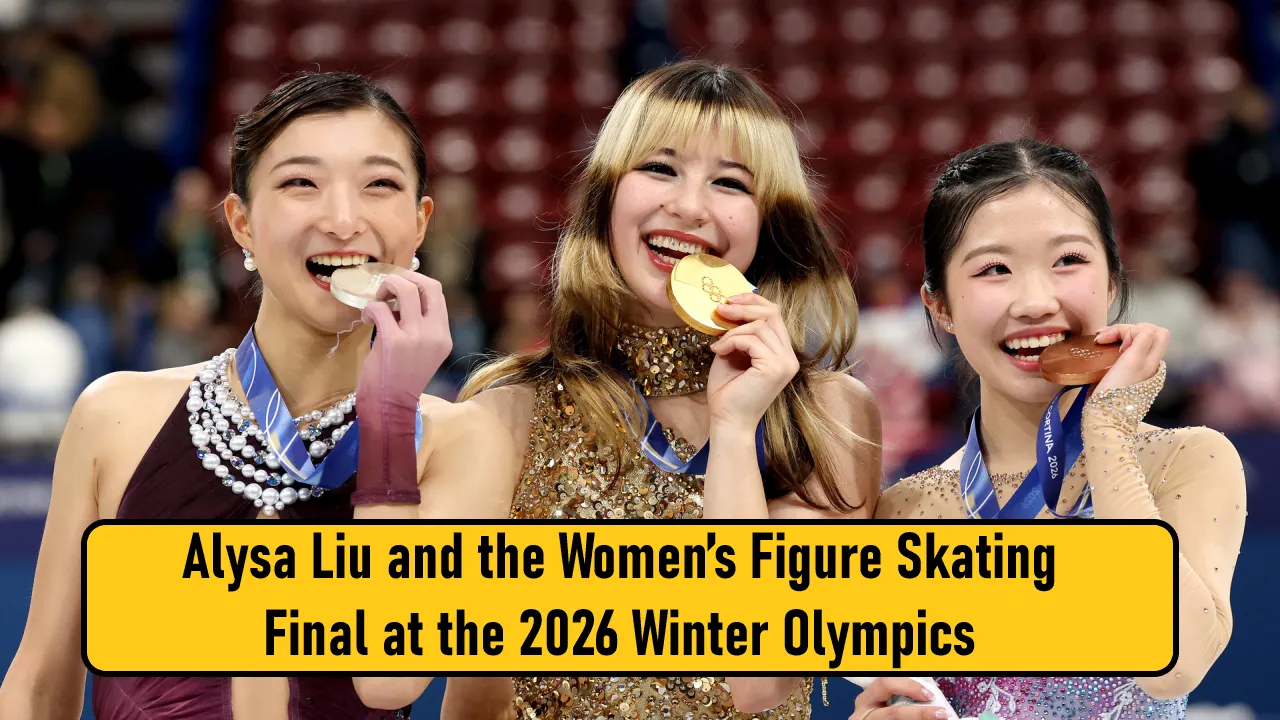
The Free Skate That Decided Everything
The women’s figure Free skating final at the 2026 Winter Olympics felt less like a routine competition and more like a long, tense story unfolding on ice. By the time the free skate began, fans were already comparing programs, calculating scores, and wondering whether Alysa Liu could deliver the kind of performance that defines an Olympic career.
Unlike casual exhibitions, the free skate is where momentum shifts fast. A single clean jump combination can move a skater up several places, while one fall can erase months of preparation. For many viewers especially those watching Olympic figure skating for the first time understanding what actually decided the medals was not always obvious.
This article looks closely at the free skate highlights, the final standings, and the performances that shaped the women’s singles event. The goal is simple: explain what happened in clear language without turning it into hype or fan commentary.
Understanding the Women’s Free Skate Format
What Makes the Free Skate Different
The free skate, sometimes called the long program, carries the highest scoring potential in Olympic figure skating. Skaters have more time on the ice, which means more jumps, spins, and step sequences but also more chances for mistakes.
In real competitions, you often see athletes play it safe early in the program and then attempt riskier combinations in the second half. During the 2026 event, several skaters adjusted their layouts depending on how the earlier groups performed, showing how strategy matters as much as technical skill.
How Scores Are Decided
Judges don’t just look for clean landings. They evaluate execution, choreography, speed across the ice, and overall performance quality. That’s why two skaters can complete similar jumps but receive different scores.
Viewers who followed the short program noticed how small differences in program components carried over into the free skate rankings. It’s a reminder that Olympic figure skating is not judged on a single moment it’s a cumulative process.
Alysa Liu’s Free Skate Performance
A Calm Start Under Pressure
Alysa Liu entered the free skate with strong expectations from fans of US women’s figure skating. Her opening passes were controlled rather than flashy, which felt like a deliberate choice. Instead of chasing risky combinations early, she focused on clean execution.
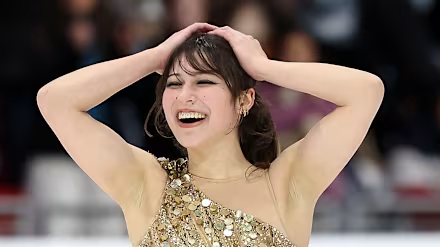
Watching from the stands, it was clear that the crowd reacted not just to jumps but to transitions between elements. Liu’s program moved quickly, leaving little dead space on the ice, which often helps maintain judges’ attention throughout a long routine.
Key Moments That Shaped the Score
The middle section of Liu’s free skate became the turning point. A well-timed jump sequence in the second half boosted her technical score, while expressive choreography helped maintain strong component marks. These details matter more than many viewers realize especially in a close Olympic final.
Several commentators compared her composure to earlier US Olympic skaters, noting how she balanced athletic difficulty with performance quality. It wasn’t a flawless skate, but it felt steady, and that consistency played a role in the final results.
Other Standout Performances in the Final
Kaori Sakamoto’s Powerful Skating Style
Kaori Sakamoto brought speed and edge quality that stood out even on a crowded Olympic stage. Her skating covered the ice effortlessly, and judges often reward that kind of flow. While technical layouts between athletes can look similar on paper, the way elements connect across the rink changes how programs are received.
Rising Names Like Ami Nakai and Livia Kaiser
The 2026 women’s free skate also introduced newer competitors to a global audience. Ami Nakai’s performance showed strong musical interpretation, while Livia Kaiser demonstrated how precise spins and footwork can quietly add points without dramatic moments.
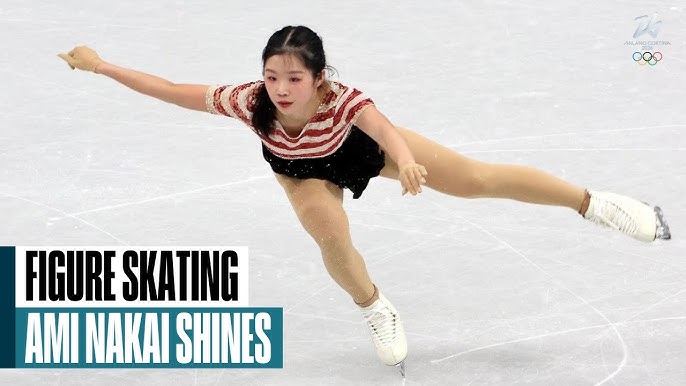
These skaters may not have dominated headlines, but their programs helped shape the overall ranking and showed how deep the field has become in modern women’s figure skating.
Women’s Figure Skating Free Skate Results and Medal Standings
Final Rankings Overview
By the end of the free skate, the leaderboard reflected how close the competition had been all week. Small scoring differences from the short program combined with free skate totals to determine the final medal positions.
Fans searching for women’s figure skating results often focus only on the gold medal, but Olympic standings usually tell a more complex story. A skater finishing fourth or fifth may have delivered one of the strongest free skates of the night, showing how cumulative scoring can shape outcomes.
What Influenced the Medal Count
Judges rewarded consistency across both programs rather than one standout moment. Clean landings, transitions between elements, and performance quality all contributed to the final medal count at the 2026 Winter Olympics.
For viewers trying to understand why rankings changed during the broadcast, it helps to remember that figure skating scoring updates in real time. Even experienced fans sometimes misjudge standings until the final scores appear on screen.
Comparing This Olympic Final to Past Eras
From Sarah Hughes to Today’s Generation
Many longtime fans drew comparisons between this event and earlier Olympic moments involving skaters like Sarah Hughes or Sasha Cohen. Those eras focused heavily on artistry, while modern competitions demand a blend of athletic precision and performance detail.
The evolution is noticeable when watching older Olympic footage side by side with the 2026 free skate. Programs now move faster, transitions are more complex, and scoring systems place greater emphasis on execution quality.
How Modern Judging Has Changed the Sport
Today’s scoring structure encourages skaters to plan programs strategically rather than simply stacking difficult jumps. Coaches often redesign routines between seasons to adapt to rule changes, which explains why Olympic results can feel unpredictable even for seasoned athletes.
What the 2026 Women’s Free Skate Means for the Future
The 2026 Winter Olympics women’s singles event showed how competitive figure skating has become. No single style dominated the podium. Some athletes relied on speed and power, others on musical interpretation and consistency.
For younger viewers and students following Olympic figure skating for the first time, the takeaway is simple: medals are rarely decided by one highlight moment. They’re built through small details clean edges, thoughtful choreography, and the ability to perform under pressure.
As the sport moves toward future Olympic cycles, the performances seen in this free skate may influence how upcoming skaters design their programs. Coaches and athletes often study Olympic routines carefully, searching for lessons that go beyond the final score.
Conclusion
The women’s free skate at the 2026 Winter Olympics was not just about a single gold medal performance. It was a layered competition shaped by strategy, consistency, and subtle judging details that casual viewers might miss at first glance.
Alysa Liu’s performance stood out for its balance between athleticism and composure, while competitors like Kaori Sakamoto, Ami Nakai, and Livia Kaiser added depth to one of the most competitive Olympic figure skating finals in recent memory. Looking back at the complete results helps explain why the final standings felt both surprising and well-earned a reminder that Olympic figure skating is as much about patience and precision as it is about big moments.